Sports Card Value Guide
Ruben Sierra Baseball Card Value: How to Check What It Is Worth
Learn how to check Ruben Sierra baseball card value, what affects price, and how to estimate rookie card value by year, condition, and set.
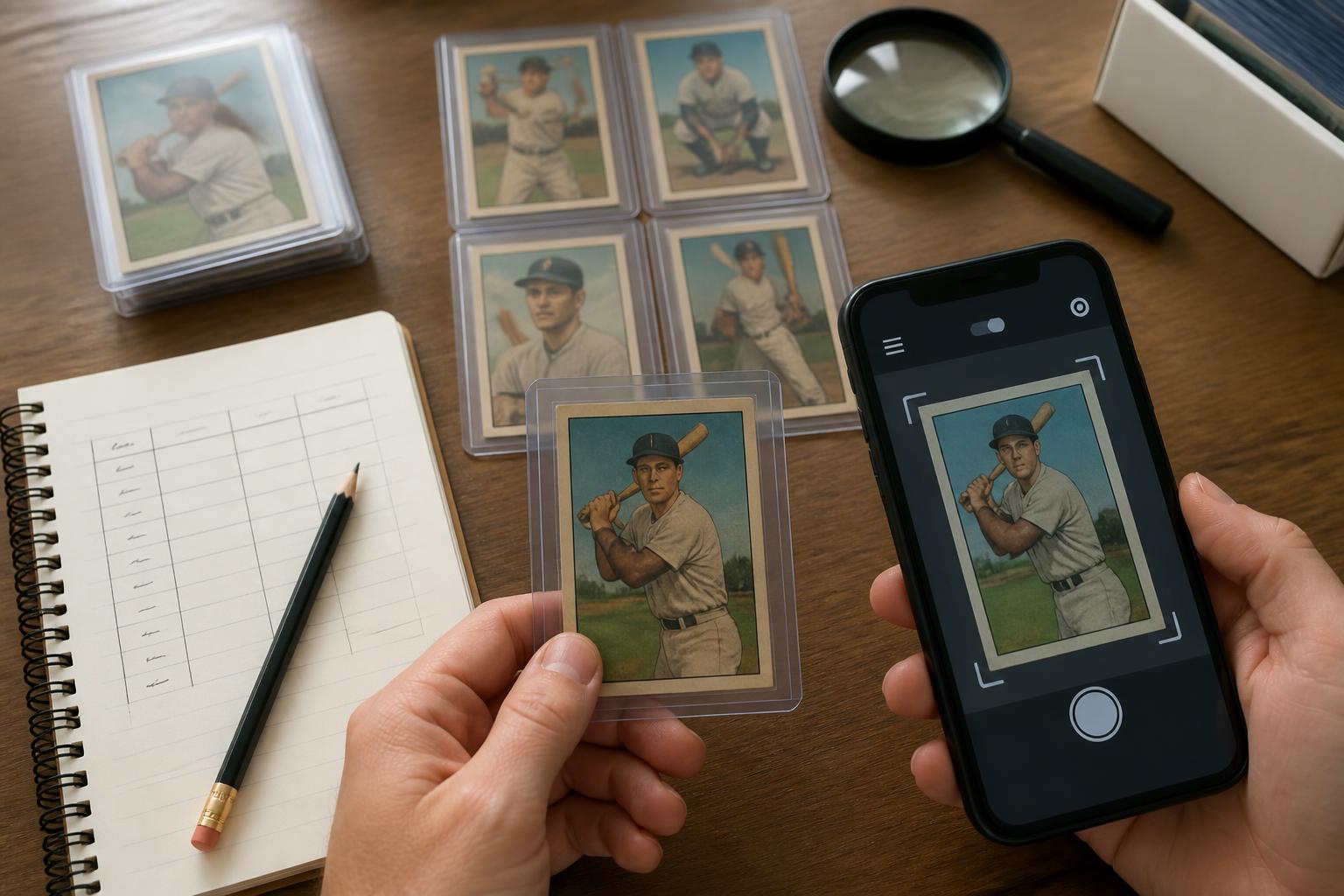
If you are trying to figure out Ruben Sierra baseball card value, the best place to start is with the exact card, its condition, and whether it is a rookie or early-career issue. Sierra has multiple cards across the late 1980s and 1990s, and values can vary a lot depending on the set, year, grade, and collector demand.
This guide explains how to check Ruben Sierra rookie card value, what details matter most, and how to compare your card against current sales without overcomplicating the process. The goal is simple: identify the card accurately, judge condition honestly, and use the right pricing sources.
If you want a faster way to look up cards while sorting a collection, the ScoutCard scanner app can help you identify cards and move through your stack more efficiently.
Check current eBay listings for key Ruben Sierra cards
We may earn a commission from eBay purchases made through these links (eBay Partner Network).
What affects Ruben Sierra baseball card value?
Not every Ruben Sierra card is worth the same amount. Two cards from different years can have very different market values even if they show the same player. Here are the main factors that drive pricing.
- Year and set — rookie-year cards and popular late-1980s issues usually draw the most attention.
- Condition — centering, corners, edges, and surface wear matter a lot.
- Professional grading — graded cards often sell more predictably than raw cards.
- Scarcity — tougher inserts, parallels, or high-grade copies may be harder to find.
- Current demand — player collecting interest changes over time.
- Completeness of the card — especially for cards with clean surfaces, no stains, and no creases.
For most collectors, the biggest mistake is assuming every Ruben Sierra card has the same value. A common base card in average condition may be modest, while a better-conditioned rookie or a higher-grade slab can be priced differently.
Ruben Sierra rookie card value: what to check first
When people search for Ruben Sierra rookie card value, they usually mean his earliest mainstream cards from the late 1980s. The exact rookie designation can depend on how collectors and price guides classify the issue, so it is important to verify the card year and set before pricing it.
Before you check sales, look at these details:
- Card year and manufacturer
- Front and back design
- Card number
- Any special designation such as glossy, traded, or update version
- Whether the card is raw or graded
If your card is from Sierra’s rookie era, compare it carefully against sold listings for that exact issue. Similar-looking cards can have different values if they come from different print runs or subsets.
How condition changes the price
Condition is one of the most important pricing factors in sports cards. A card that looks fine at first glance may still lose value because of small flaws collectors notice immediately.
| Condition factor | What to look for | Why it matters |
|---|---|---|
| Centering | Image and borders should be balanced left to right and top to bottom | Poor centering can reduce interest, especially in higher grades |
| Corners | Sharp corners with no whitening or rounding | One of the first things graders and buyers inspect |
| Edges | No chipping, fraying, or print wear | Visible edge wear can lower both raw and graded value |
| Surface | No scratches, creases, stains, or print lines | Surface issues often stand out in photos and grading |
| Back | Clean back with intact print and no paper loss | Back damage can matter as much as front damage |
For vintage or late-1980s cards, even a small crease or heavy corner wear can push the value down significantly compared with a cleaner example. If you are pricing a card for sale, be conservative about condition.
Raw vs. graded Ruben Sierra cards
Grading can change how buyers view a card, but it does not automatically make every card worth submitting. The right move depends on the card itself and its condition.
- Raw cards are best compared to raw sold listings in similar condition.
- Graded cards are easier to price because the grade gives buyers a consistent standard.
- Higher grades usually matter more for cards that are already scarce or collector-focused.
If your card is a common issue with noticeable wear, grading fees may not make sense. If it is a clean rookie-era card with strong centering and no major flaws, a grade can help clarify the market position. That said, always check recent sold data before deciding.
How to check what your Ruben Sierra card is worth
The most reliable way to estimate Ruben Sierra baseball card value is to compare your exact card to recent sales of the same year, set, and condition. Follow these steps:
- Identify the card precisely. Match the year, set, card number, and any special subset or parallel.
- Inspect condition. Look closely at corners, edges, centering, and surface under bright light.
- Compare sold listings. Use completed sales, not asking prices.
- Separate raw and graded prices. A PSA, SGC, or BGS copy should not be priced the same as a raw card unless the raw card is clearly exceptional.
- Check multiple sources. One sale is not enough; look for a range of recent transactions.
If you are going through a larger collection, a sports card scanner can help you identify cards faster before you move into manual price checks.
Best places to research Ruben Sierra card prices
For the most accurate estimate, use tools and pages that focus on real card pricing rather than broad guesswork. General search results can be helpful, but you will usually get better results by comparing similar cards in the same sport and era.
- Baseball Card Value Lookup: How To Check What Your Cards Are Worth
- Baseball Card Values: Complete Guide to What Your Cards Are Worth in 2026
- Sports Card Value Lookup: How to Check What Any Card Is Worth
Those guides can help you build a better pricing process, especially if you are comparing a Ruben Sierra card to other late-1980s baseball issues.
Quick pricing checklist
Use this quick checklist before you list or buy:
- Confirm the exact card year and set
- Check whether it is considered a rookie or early-career card
- Review centering, corners, edges, and surface
- Look for recent sold listings of the same card
- Compare raw cards to raw cards and graded cards to graded cards
- Adjust for obvious wear, creases, or print defects
This simple process usually gives you a much better estimate than relying on one quick search result.
FAQ: Ruben Sierra baseball card value
How do I find the value of a Ruben Sierra baseball card?
Start by identifying the exact year, set, and card number, then compare recent sold listings for the same card in similar condition. Condition and grading make a major difference in the final price.
What is Ruben Sierra rookie card value based on?
Ruben Sierra rookie card value depends on the specific rookie-era issue, the card’s condition, whether it is graded, and what similar copies have sold for recently. A clean graded copy will usually be priced differently than a worn raw card.
Should I grade my Ruben Sierra card?
Maybe, but only if the card has a chance to justify grading fees. Cards with strong centering, sharp corners, and clean surfaces are the best candidates. For lower-value or heavily worn cards, raw sales may be the better benchmark.
Why do two Ruben Sierra cards have different values?
They may be from different years, different sets, or different conditions. Even cards that look similar can have very different prices if one is a rookie-year issue or a higher-grade copy.
What is the fastest way to check cards in a collection?
A scanner app can speed up identification before you research pricing. If you want to sort cards more efficiently, try the ScoutCard scanner app as a first pass, then confirm values with recent sales.
Final thoughts
Ruben Sierra cards are best priced by exact issue, condition, and market comps. If you want an accurate Ruben Sierra baseball card value, focus on the card’s year, rookie status, and any visible wear before comparing sales. A careful lookup will usually give you a more reliable estimate than a quick guess.
For collectors who are sorting a stack or trying to move faster through a collection, a scanner tool like ScoutCard can help you identify cards first, then look up values with more confidence.
Try the Sportscardvalue app
Use the app when you want a faster photo-based check before comparing details manually.