Football card price guide
A football card price guide should help you find a realistic market range, not just the highest asking price online. Football card values can move quickly because of rookie hype, injuries, trades, playoffs, awards, and grading results.
This guide shows how to check football card prices using recent sold data, compare raw and graded cards, and avoid overvaluing common cards or underpricing rare parallels.
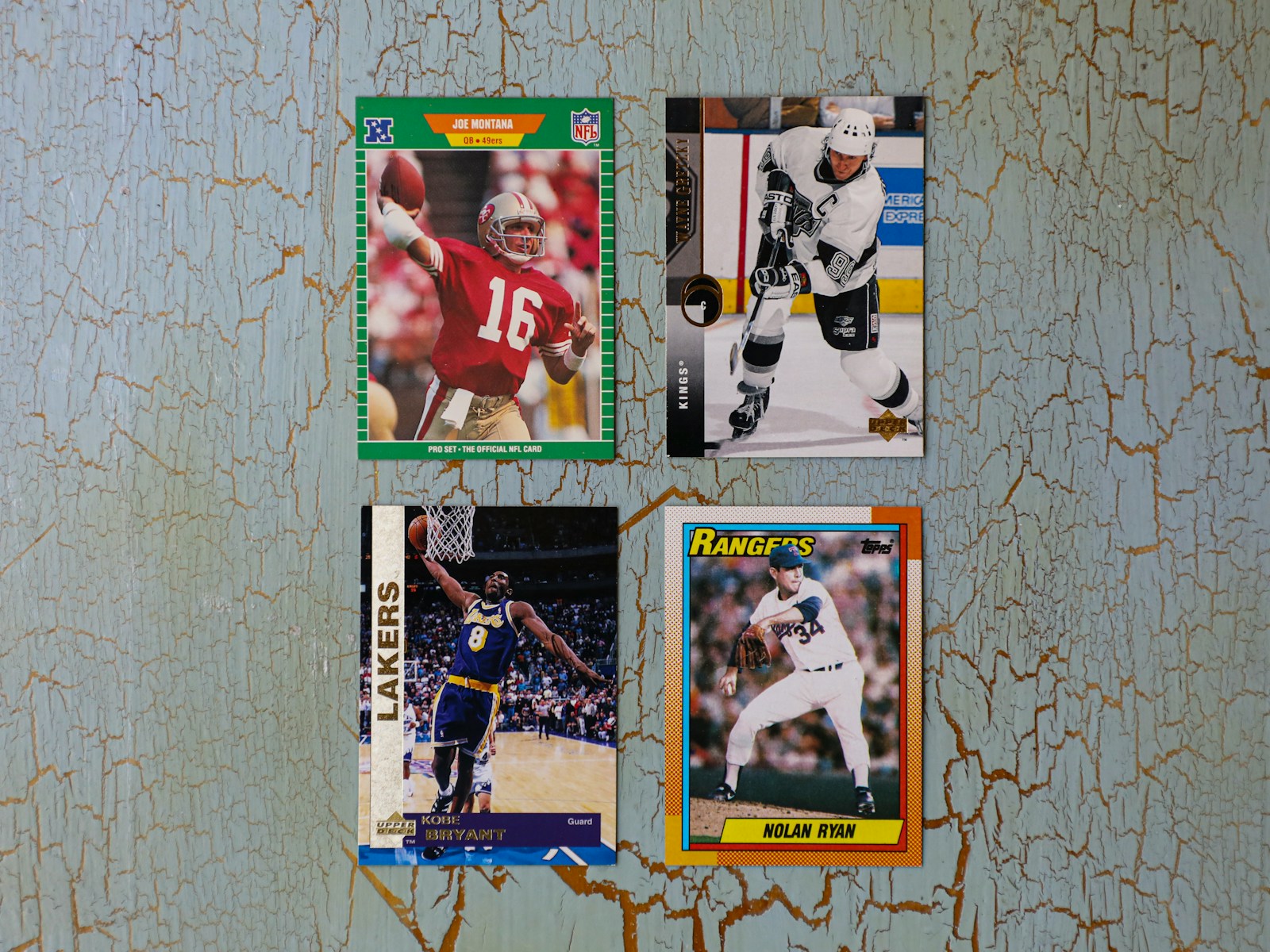
What A Football Card Price Guide Should Do
A good football card price guide should help you answer one question: what did similar cards actually sell for recently? It should not treat every listing as value. Asking prices, old sales, and mismatched grades can create a false number.
The strongest price comparison matches the exact player, year, set, card number, parallel, autograph status, and grade. A raw base rookie, numbered silver parallel, downtown insert, patch autograph, and PSA 10 copy can all belong to the same player but sell for very different prices.
How To Check Football Card Prices
- Identify the player, year, brand, set, and card number.
- Confirm whether the card is base, insert, parallel, autograph, relic, or short print.
- Search recent sold listings for the exact card.
- Separate raw cards from PSA, BGS, SGC, and CGC graded cards.
- Use several recent sales to build a realistic value range.
Recent sold prices are especially important for football because the market reacts quickly to performance. A quarterback’s playoff run, a rookie breakout, a major injury, or a trade can change demand fast.
You can check sold listings with eBay Advanced Search and use PSA population reports to understand graded scarcity.
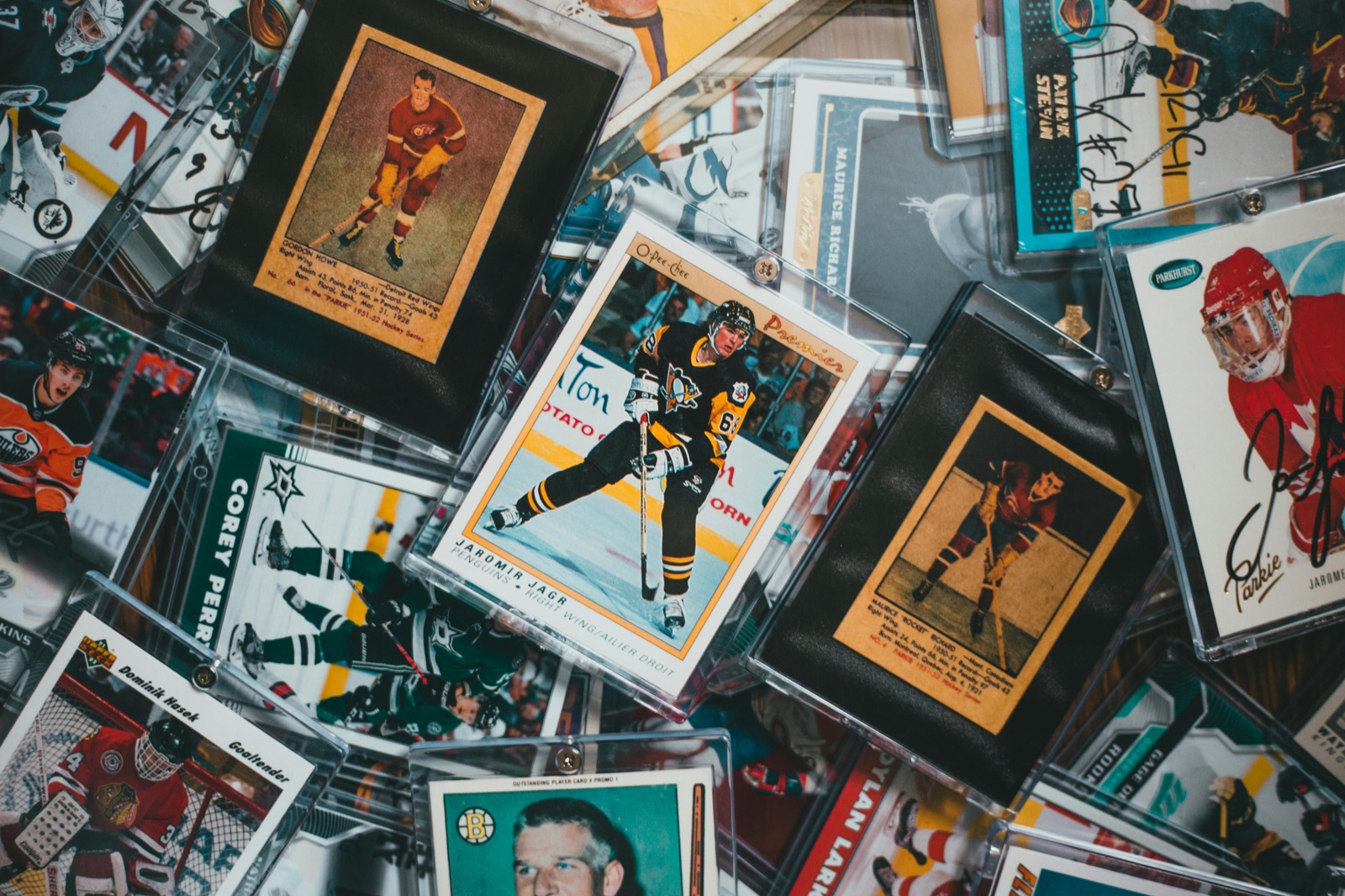
What Makes Football Cards Valuable?
Football card values usually concentrate around quarterbacks, elite rookies, Hall of Famers, rare inserts, low-numbered parallels, autographs, and high-grade modern cards. Skill-position players can be valuable too, but quarterback demand often dominates the market.
Scarcity matters. A common base card may have thousands of copies available, while a numbered parallel or short print may have a much smaller buyer pool but stronger collector demand. Condition also matters because modern collectors often pay a large premium for gem mint cards.
Value signals to check
- Rookie card or rookie-year insert
- Quarterback, superstar, or Hall of Fame player
- Serial-numbered parallel
- Autograph or patch autograph
- Premium set such as Prizm, Select, Optic, National Treasures, or Contenders
- Strong grade from PSA, BGS, SGC, or CGC
Raw Vs Graded Football Card Prices
Do not compare raw football cards to PSA 10 sales unless you are only estimating upside. A raw card carries grading risk: centering, print lines, edge wear, surface dents, and corner damage can all reduce the final grade.
For grading decisions, compare three numbers: raw value, PSA 9 value, and PSA 10 value. Then subtract grading fees, shipping, and the time it takes to get the card back. If a PSA 9 barely sells above raw value, grading may not be worth it.
Use A Scanner App With Your Football Card Price Guide
A scanner app can speed up football card price research by helping identify the exact card from a photo. ScoutCard scans sports cards, helps identify the card details, and makes it faster to compare values.
This is useful when sorting football card lots, checking a card show purchase, reviewing inherited collections, or deciding whether a quarterback rookie is worth grading.
Fast Football Card Price Checklist
- Confirm player, year, set, card number, and variant.
- Check whether the card is raw or graded.
- Compare recent sold prices for the same version.
- Look at PSA 9 and PSA 10 values if grading matters.
- Use a realistic value range, not a single outlier sale.
Download ScoutCard free on the App Store to identify football cards and check values from your phone.
Related reading: Sports Card Prices Guide | Best Sports Card Scanner App
FAQ: Football Card Price Guide
What is the best way to check football card prices?
Identify the exact card, then compare recent sold prices for the same version, condition, and grade.
Are quarterback cards always worth more?
Quarterbacks often get the strongest demand, especially rookies and stars, but rarity, set, grade, and collector demand still matter.
Should I use active listings as a football card price guide?
Active listings show asking prices. Sold listings are more reliable because they show what buyers actually paid.
Should I grade my football cards?
Grade only when the expected graded value is high enough to justify fees, shipping, risk, and turnaround time.