Baseball card value lookup
A baseball card value lookup works only when you identify the exact card. Player name alone is not enough. Year, brand, set, card number, rookie status, parallel, autograph, condition, and grade all affect what a card can sell for.
This guide explains how to check baseball card values, compare recent sold prices, and avoid the common mistake of pricing a raw base card like a graded parallel.
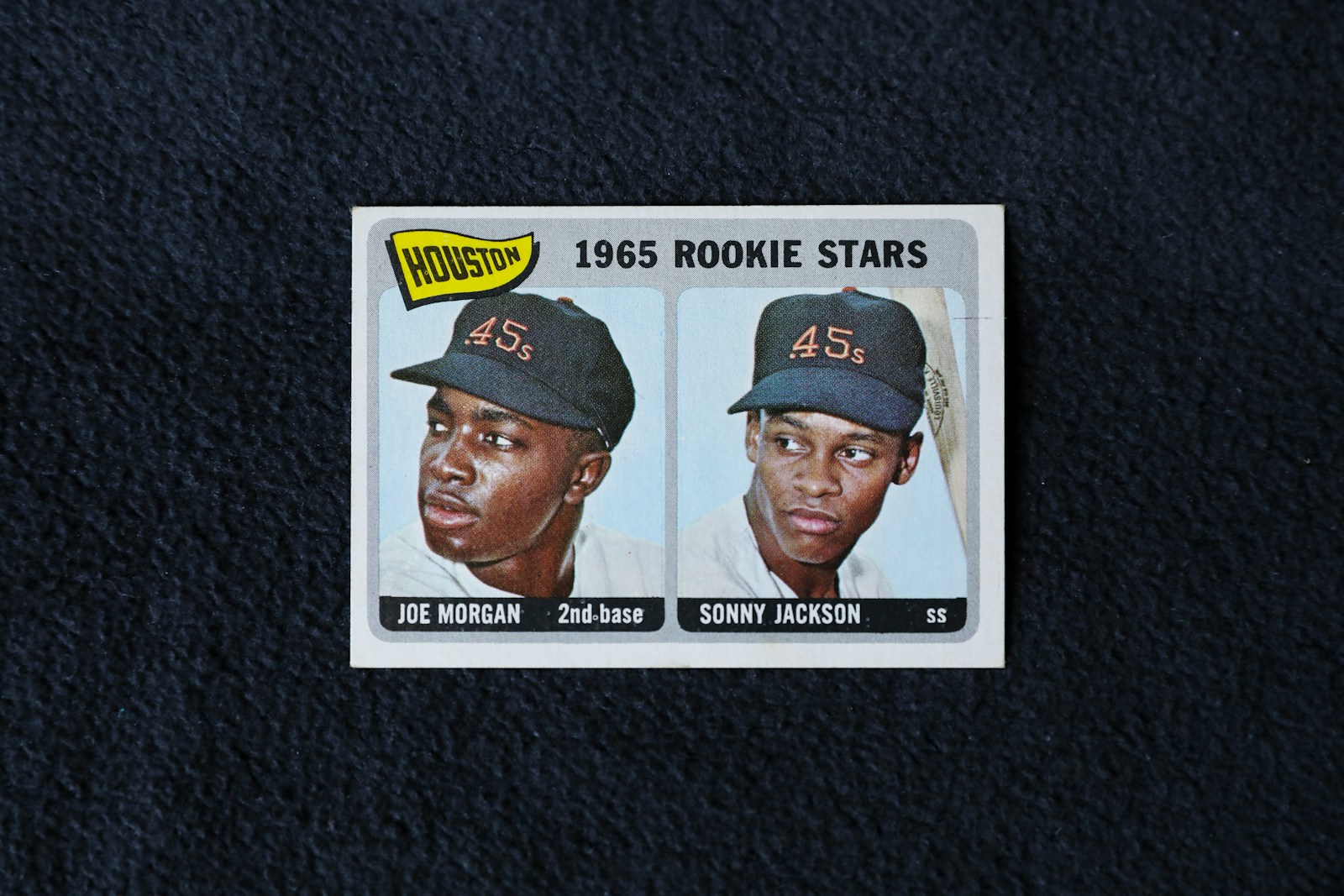
Identify The Exact Baseball Card First
Before checking price, confirm the player, year, brand, set, and card number. A 1990s Topps base card, a Bowman Chrome prospect card, a numbered refractor, and an autographed rookie can all look similar to a casual collector but trade in very different markets.
Use the card back for the card number and set details. Then check the front for rookie badges, refractor shine, serial numbering, autograph certification, patch windows, or short print indicators.
Details to write down
- Player name and team
- Year, brand, and set
- Card number
- Base, insert, parallel, autograph, relic, or short print
- Raw condition or grading company and grade
How To Do A Baseball Card Value Lookup
Once the card is identified, search recent sold prices for that exact card. Sold prices matter more than active listings because they show what buyers actually paid. Active listings can be useful for supply, but they often include unrealistic asking prices.
- Search the exact player, year, set, card number, and variant.
- Filter for completed or sold listings where possible.
- Compare raw cards against raw cards and graded cards against the same grade.
- Ignore damaged copies if your card is clean, and ignore gem mint sales if your card has visible wear.
- Use a range of recent sales instead of trusting one high outlier.
You can use eBay Advanced Search for sold listings and PSA population reports to understand graded supply.
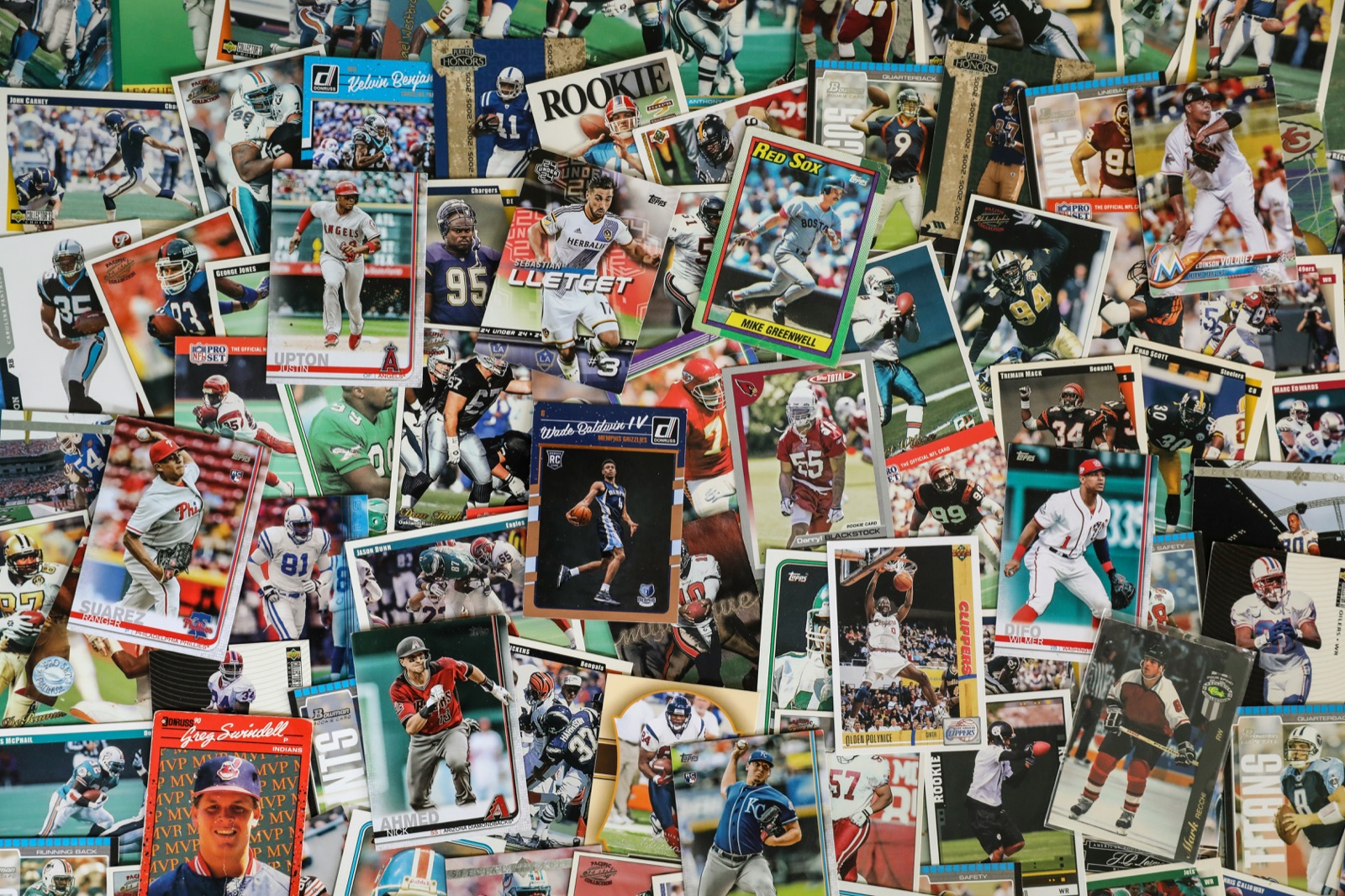
What Changes Baseball Card Value?
Baseball card values are driven by player demand, scarcity, condition, and timing. Hall of Famers, elite rookies, MVP candidates, vintage stars, low-numbered parallels, and key Bowman Chrome prospect cards often attract stronger demand.
Condition is just as important. Corners, edges, centering, surface scratches, print lines, and dents can all reduce value. For modern cards, the difference between raw, PSA 9, and PSA 10 can be large. For vintage cards, eye appeal and authenticity can matter as much as the number on the slab.
High-value signals to check
- Rookie card or first Bowman card
- Autograph or patch autograph
- Serial-numbered parallel
- Short print or image variation
- Strong grade from PSA, BGS, SGC, or CGC
Raw Vs Graded Baseball Card Values
Raw and graded cards should be priced separately. A raw card with clean corners may still sell far below a PSA 10 because the buyer is taking grading risk. A PSA 9 may be closer to raw value if the card is common or if grading supply is high.
Before grading, compare the raw price, PSA 9 price, PSA 10 price, grading fee, shipping cost, and likely turnaround time. If the upside is small, selling raw may be smarter. If the card is clean and the PSA 10 premium is strong, grading may be worth considering.
Use A Scanner To Speed Up Baseball Card Value Lookup
A scanner app helps when you do not know the exact card. ScoutCard can scan baseball cards from a photo, help identify the player, year, set, and variant, then make it faster to check market values.
This is useful for inherited collections, estate sale boxes, card show purchases, and large lots where manual lookup would take hours.
Fast Baseball Card Value Checklist
- Identify the exact card.
- Check if it is a rookie, autograph, parallel, or short print.
- Review condition or grade.
- Compare recent sold prices for the same version.
- Decide whether to sell raw, grade first, or hold.
Download ScoutCard free on the App Store to identify baseball cards and check values from your phone.
Related reading: Sports Card Value Lookup | Ken Griffey Jr. Card Values | PSA Card Values
FAQ: Baseball Card Value Lookup
What is the best way to look up baseball card values?
Identify the exact card first, then compare recent sold prices for the same version, condition, and grade.
Are old baseball cards always valuable?
No. Age helps only when demand, scarcity, condition, and player importance are also strong. Many old common cards have modest value.
Should I grade my baseball card before selling?
Only if the likely graded value is high enough to cover fees, shipping, risk, and waiting time. Compare raw, PSA 9, and PSA 10 prices first.
Can a baseball card scanner find the exact card?
A scanner can speed up identification, but you should still verify the card number, parallel, autograph status, and condition before making a pricing decision.