Basketball card value lookup
A basketball card value lookup should start with the exact card, not just the player name. Rookie status, set, parallel, autograph, condition, and grade can make two similar-looking cards sell for very different prices.
This guide explains how to check basketball card values, compare recent sold prices, and decide whether a card is better to sell raw, grade, or hold.
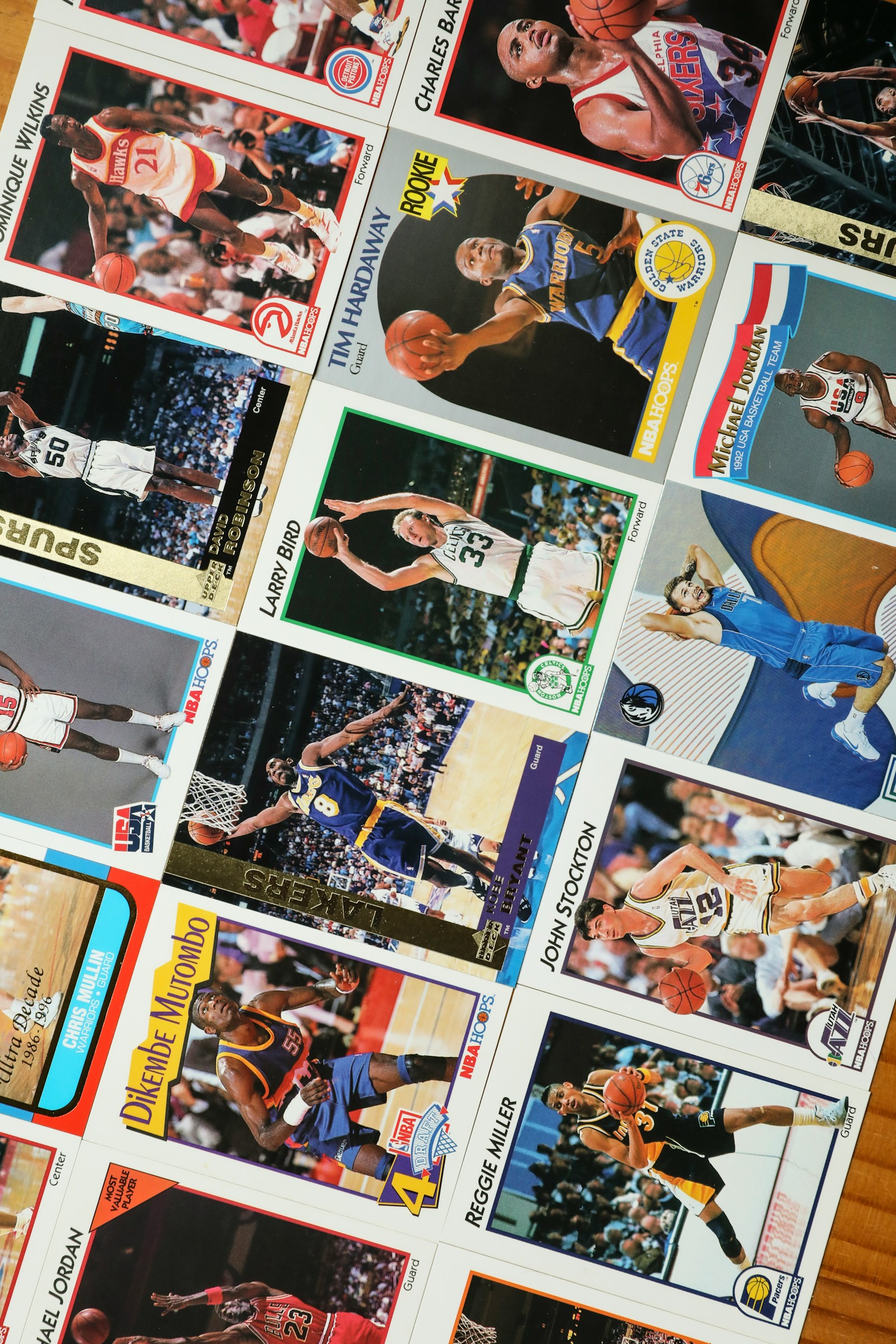
Identify The Exact Basketball Card
Start by checking the player, year, brand, set, and card number. Then confirm whether it is a base card, insert, silver, color parallel, numbered card, autograph, patch, short print, or rookie card.
Basketball has many parallel-heavy sets, especially modern Panini releases. A base rookie, silver Prizm, numbered parallel, and autograph version can all have different values even when the photo looks similar.
Details to confirm before pricing
- Player and team
- Year, brand, set, and card number
- Rookie status
- Parallel, insert, autograph, or patch details
- Raw condition or grading company and grade
How To Do A Basketball Card Value Lookup
After you identify the card, compare recent sold prices for the same version. Do not rely on active listings alone. Sellers can ask any price, but sold listings show what buyers actually paid.
- Search the exact player, year, set, card number, and variant.
- Filter for recent sold listings when possible.
- Separate raw sales from PSA, BGS, SGC, or CGC graded sales.
- Compare similar condition or the same grade.
- Use a value range from multiple sales instead of one outlier.
For active players, use recent sales because the market can react quickly to injuries, playoff runs, trades, awards, and breakout games.

What Affects Basketball Card Prices?
Basketball card prices are driven by player demand, rookie status, scarcity, condition, grade, and timing. Superstars, Hall of Famers, key rookies, low-numbered parallels, autographs, and iconic sets tend to attract the most attention.
Modern basketball cards can be volatile. A rookie can spike after a strong week, then settle if playing time drops. Vintage cards usually move more slowly, but condition and authenticity are critical.
High-value basketball card signals
- Rookie card of a star player
- Silver, refractor, or low-numbered parallel
- Autograph or patch autograph
- Iconic player, Hall of Famer, or MVP-level star
- Strong grade from a major grading company
Raw Vs Graded Basketball Card Values
Raw basketball cards and graded basketball cards should be priced as separate markets. A PSA 10 can command a premium, but not every raw card has a realistic path to gem mint. Centering, print lines, surface marks, corners, and edges all matter.
Before grading, compare the raw value, PSA 9 value, PSA 10 value, grading fee, shipping cost, and waiting time. If PSA 9 sales are close to raw prices, grading may not add enough upside.
Use A Scanner App For Basketball Card Value Lookup
A scanner app can help identify basketball cards faster, especially in mixed collections or lots. ScoutCard scans sports cards from a photo, helps identify the card details, and makes value research faster.
This is useful when sorting a box of cards, checking a purchase at a show, reviewing a collection, or comparing raw and graded values before selling.
Fast Basketball Card Value Checklist
- Scan or photograph the card.
- Confirm player, year, set, card number, and variant.
- Check recent sold prices for the same card.
- Compare raw, PSA 9, and PSA 10 values if grading matters.
- Decide whether to sell, grade, hold, or research more.
Download ScoutCard free on the App Store to identify basketball cards and check values from your phone.
Related reading: Sports Card Value Lookup | Larry Bird Basketball Card Values | Shaq Basketball Card Values
FAQ: Basketball Card Value Lookup
What is the best way to check basketball card values?
Identify the exact card, then compare recent sold prices for the same version, condition, and grade.
Why do basketball card prices change so fast?
Performance, injuries, trades, playoff runs, awards, and rookie hype can all move demand quickly.
Are raw basketball cards worth grading?
Some are, but only if the expected graded value is high enough to justify grading fees, shipping, risk, and turnaround time.
Can I use active listings to value basketball cards?
Active listings show seller expectations. Recent sold listings are more reliable because they show actual buyer behavior.