Sports Card Value Guide
Paul Molitor Baseball Card Value: How to Check What It Is Worth
Learn how to check Paul Molitor baseball card value, what affects Paul Molitor card value, and how to estimate Paul Molitor rookie card value by year, condition, and grading.
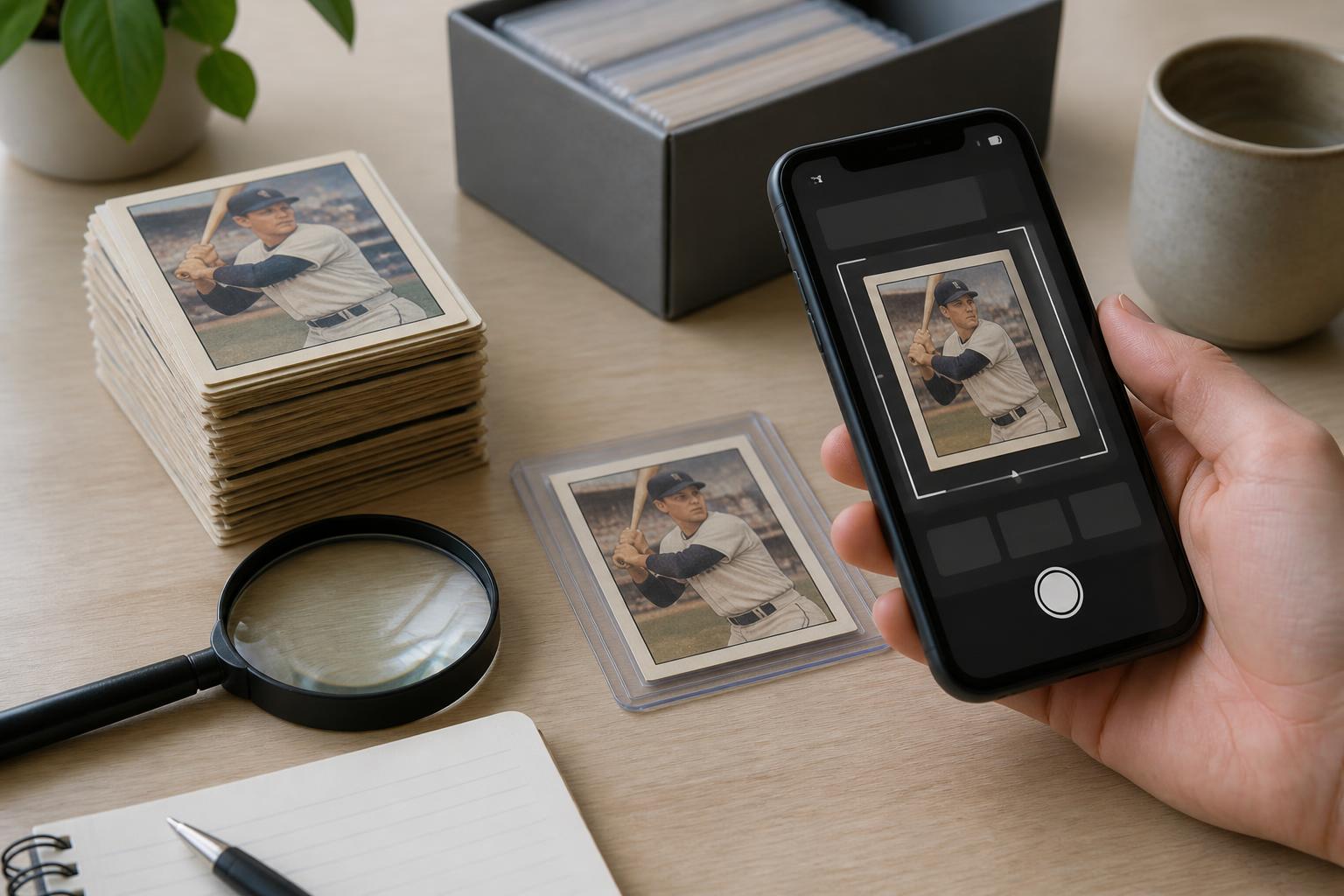
If you are trying to figure out Paul Molitor baseball card value, the first thing to know is that the card’s year, condition, and grading status matter far more than the player name alone. Paul Molitor has a long collecting history, so prices can vary a lot from one card to another.
This guide shows how to estimate Paul Molitor card value, what makes Paul Molitor rookie card value different from later cards, and how to check current market value without guessing.
Check current eBay listings for key Paul Molitor cards
We may earn a commission from eBay purchases made through these links (eBay Partner Network).
What affects Paul Molitor baseball card value?
Paul Molitor cards can range from very affordable commons to more desirable rookie-era cards and graded copies. When collectors check value, they usually compare a few key factors first:
- Card year – Rookie cards and early-career cards usually draw more attention than later cards.
- Set and variation – Some sets are printed in larger quantities, while certain variations or higher-end issues can be scarcer.
- Condition – Corners, edges, centering, and surface wear matter a lot.
- Grading – A card in a PSA, SGC, or CGC holder often sells differently from an ungraded copy.
- Demand – Hall of Fame players like Molitor tend to have steady collector interest, but prices still move with condition and set popularity.
If you are comparing multiple cards from the same player, it helps to separate the rookie-era cards from standard base cards and inserts. For broader baseball pricing context, you can also use a baseball card value lookup when checking cards from other players or eras.
How to identify the card you have
Before you search for Paul Molitor baseball card value, identify the exact card as accurately as possible. Even small differences can change the estimate.
- Check the year printed on the card or on the back of the set.
- Look for the set name, if visible.
- Confirm the card number in the set.
- Note the condition, including wear, centering, and any creases.
- See whether it is graded or raw.
If you are unsure, a card scanner can help you narrow down the issue quickly. The ScoutCard scanner is a convenient way to identify a card and move toward a value estimate faster.
Paul Molitor rookie card value: what collectors usually check
Paul Molitor rookie card value usually gets the most attention because rookie cards are often the first card collectors target for major players. With Molitor, the biggest value changes usually come from grade and overall eye appeal, not just the base card itself.
Here is a simple way to think about it:
| Card type | Typical value driver | What to check first |
|---|---|---|
| Rookie-era card | Condition and grade | Centering, corners, surface, and authenticity |
| Later base card | Set demand and raw condition | Print quality, wear, and completeness |
| Insert or special issue | Scarcity and collector interest | Parallel status, print run, and grade |
Two cards that look similar at a glance can have very different prices if one is centered well and another is heavily worn. That is why a Paul Molitor card value check should always include the condition grade you expect, even before professional grading.
Condition and grading: why they matter so much
Condition is one of the biggest drivers of card pricing. For older cards, light wear is common, but visible damage can still affect market value quickly.
What collectors look for
- Corners – Rounded or frayed corners usually lower value.
- Edges – Chipping or rough edges are common on vintage cards.
- Centering – Off-centered cards often bring less than well-centered copies.
- Surface – Scratches, print lines, stains, and gloss loss matter.
- Creases – Even small creases can significantly reduce value.
Grading can help standardize pricing because buyers can compare the grade to recent sales. Still, not every card needs to be graded. For lower-value cards, grading fees may exceed the added market value. For a more general overview of pricing methods across the hobby, see Sports Card Value Lookup: How to Check What Any Card Is Worth.
How to check Paul Molitor baseball card value step by step
Use this process to estimate value without overcomplicating it:
- Identify the exact card by year, set, and card number.
- Assess condition honestly under good light.
- Check whether it is graded and note the grade if it is.
- Compare recent sold listings for the same card, not just asking prices.
- Match the condition level as closely as possible.
- Adjust for variation if your card is a special issue, insert, or short-print.
Recent sold data is more useful than a single posted price because card markets can move quickly. If you are building a full baseball collection checklist, the Baseball Card Values: Complete Guide to What Your Cards Are Worth in 2026 article can help you compare Molitor against other players and eras.
Common mistakes when pricing Paul Molitor cards
Many collectors misread value because they skip one or more of the basics. Avoid these common mistakes:
- Using only one online listing instead of several sold examples
- Assuming every Molitor card is a rookie card
- Ignoring condition issues like creases, soft corners, or staining
- Comparing a raw card to a graded card without adjustment
- Overlooking set differences and special print variations
A careful comparison usually gives a more realistic estimate than a quick search. If you want a faster workflow, a scanner-based approach can save time, especially when sorting multiple vintage cards. You can also explore the Baseball Card Scanner App: The Fastest Way to Value Your Collection for a scanner-first method.
Simple checklist for a fair value estimate
Before you list or trade the card, run through this quick checklist:
- Exact year confirmed
- Set and card number confirmed
- Rookie card or later card identified correctly
- Condition checked in bright light
- Graded or raw status noted
- Recent sales reviewed
If the card is in especially clean shape, it may deserve a closer look from a grading company. If it shows heavy wear, it is usually better to price it conservatively and compare it only with similar-condition sales.
FAQ
Is Paul Molitor baseball card value mostly based on the rookie card?
The rookie-era cards usually draw the most attention, but Paul Molitor card value depends on the exact year, set, condition, and grade. Later cards can still have value if they are in strong condition or part of a desirable set.
How do I know if I have a Paul Molitor rookie card?
Check the card year, card number, and set details carefully. If you are not sure, compare it against trusted checklist resources or use a card scanner to help identify it before pricing it.
Does grading always increase value?
No. Grading can help with high-grade or scarce cards, but it does not automatically make every card worth more. For lower-value cards, grading costs may not be justified.
What is the fastest way to check Paul Molitor baseball card value?
Identify the exact card, compare recent sold listings, and use a scanner or price lookup tool to narrow down the card and condition. A tool like ScoutCard can speed up identification before you compare sales.
Final thoughts
Paul Molitor baseball card value comes down to the exact card, its condition, and how the market is behaving for that set. If you are checking Paul Molitor card value for a raw vintage card, be careful with condition. If you are looking at Paul Molitor rookie card value, compare recent sales in similar grades and avoid using only asking prices.
For a faster, simpler workflow, use a scanner to identify the card first, then compare recent sold results and note the condition carefully. That approach usually gives the clearest value estimate for collectors.
Try the Sportscardvalue app
Use the app when you want a faster photo-based check before comparing details manually.