Sports Card Value Guide
Larry Bird Basketball Card Values by Condition and Grade
Check Larry Bird basketball card value by set, condition, and grade. Learn what affects price and how to compare recent sales fast.
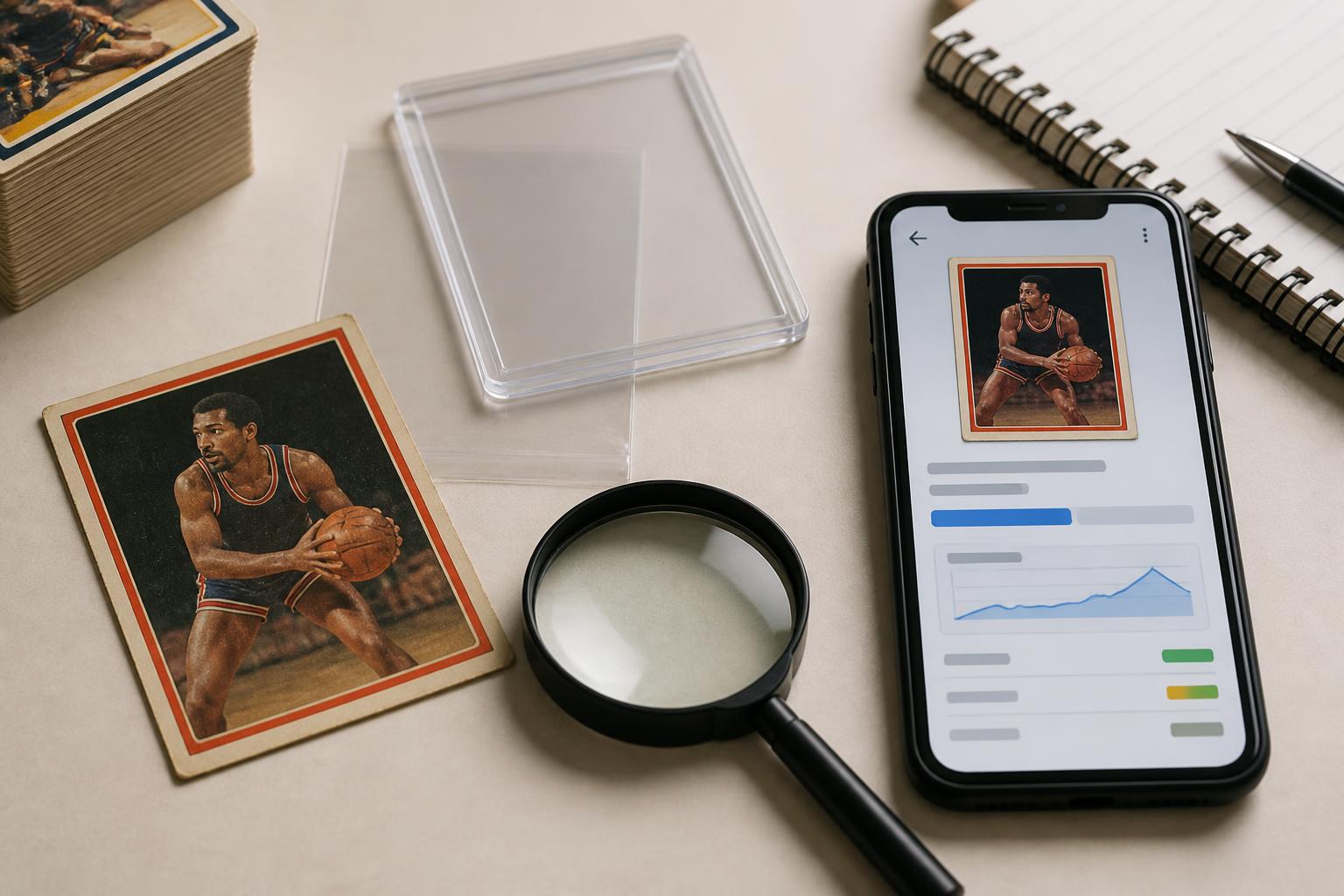
If you want to know larry bird basketball card value, start with the exact card, its condition, and whether it has been graded. Most Larry Bird cards are worth modest amounts in average shape, while key rookie-era cards and high-grade copies can bring much more. The fastest way to narrow down the larry bird basketball card worth is to match the card’s set, year, and grade against recent sales.
In other words, the right answer depends less on the name on the card and more on the details. A centered, sharp, well-preserved Bird card can be worth a lot more than a same-year copy with rounded corners, surface wear, or poor centering. This guide shows you how to check larry bird card value without guessing.
Check current eBay listings for key Larry Bird cards
We may earn a commission from eBay purchases made through these links (eBay Partner Network).
What affects Larry Bird card prices most
When people search for larry bird basketball card price or the value of larry bird rookie card, they are usually comparing a few common factors. These are the biggest drivers of price in the U.S. market:
- Year and set: Rookie-year cards and early career issues usually matter most.
- Condition: Corners, edges, centering, and surface condition can change value fast.
- Grading: PSA and other third-party grades often separate average cards from premium ones.
- Rarity: Some issues were printed more widely than others, and scarcity affects demand.
- Autograph or parallel status: Signed or special versions may be priced very differently from base cards.
- Market demand: Prices can move as collectors focus on a specific set or grade.
Why the rookie card matters so much
For many collectors, the larry bird rookie card value is the main reference point. Rookie cards often serve as the benchmark for a player’s entire card market, and that is true for Bird as well. If you have a Bird card from his rookie season, it will usually attract more interest than a later-career base card in similar condition.
That said, not every “rookie” style card is equal. Some cards are true rookie cards, while others are from the same era but are not considered a player’s official rookie. If you are unsure, compare the card’s year, checklist, and design against trusted price guide listings before assuming it is the key card.
When a rookie card is not the only card worth checking
Collectors often ask about the larry bird rookie card worth, but other Bird cards can matter too. High-grade common cards, inserts, or special issues can surprise buyers. If your card is graded gem-mint or appears especially clean, it may deserve a closer look even if it is not the rookie.
Condition and grading: the biggest swing factors
The same Larry Bird card can have very different values depending on condition. Even minor flaws can matter, especially on older cards where clean copies are harder to find.
| Condition factor | What to check | Why it matters |
|---|---|---|
| Centering | Is the image balanced left to right and top to bottom? | Poor centering can lower appeal and grade. |
| Corners | Are the corners sharp or rounded? | Rounded corners usually reduce value. |
| Edges | Any chipping, whitening, or rough cuts? | Edge wear is common on vintage cards and hurts grade. |
| Surface | Scratches, print marks, stains, or creases? | Surface flaws can significantly lower price. |
| Authenticity | Does the card appear original and unaltered? | Altered cards can sell for much less. |
If your card is already graded, the slab label gives you a helpful starting point. Many collectors compare raw card prices against graded sales because grading can separate a common copy from a premium one. For more context on how grading affects market value across sports cards, see PSA Card Values: What Changes the Price and How to Check Yours.
How to check Larry Bird card value step by step
If you want a practical way to check larry bird card value, use this process:
- Identify the exact card: Confirm the year, set, card number, and whether it is a rookie, insert, or base card.
- Inspect condition closely: Look at corners, centering, surface, and edges under good light.
- Note grading: If it is graded, record the company and grade exactly as shown.
- Compare recent sales: Search sold listings, not asking prices, for the same card and close condition.
- Adjust for differences: A centered, clean card often sells better than a well-worn copy.
- Check demand trends: If the card has many recent sales, the market is easier to estimate.
If you want a fast lookup from your phone, the Sports Card Scanner ScoutCard app can help you identify cards and compare them more quickly. That is useful when you are sorting a stack and need a quick first pass before deeper research.
Common cards collectors ask about
There is no single larry bird basketball card value because different cards from different years behave differently. Here are the types of cards people usually check first:
- Rookie-year cards from Bird’s early career
- Base cards from popular flagship and premium sets
- Insert or subset cards with lower print runs or special designs
- Graded examples where the assigned number can change the price significantly
- Autographed versions if applicable and authenticated
If you are comparing Bird to other Hall of Fame basketball stars, it can help to look at similar stars from the same era. For example, this site also covers Shaq Basketball Card Value: How to Check What It Is Worth, which can be useful for understanding how player popularity and grading interact in basketball card pricing.
Watch out for a common search mix-up
Some users search for larry bird baseball card value, but Larry Bird is a basketball player, so the relevant cards are basketball issues. If you are sorting mixed sports collections, double-check the sport listed on the card before pricing it. That simple step prevents confusion and saves time.
Also, do not assume all Bird cards from the same year are equally valuable. A card with a small variation, different back, or special insert status may price differently than the standard base card. If you are unsure, compare against a trusted guide and recent sold listings rather than relying on a single online estimate.
Simple decision path for pricing your card
Use this quick decision path if you need a rough estimate:
- Is it a rookie-year or key early card? If yes, check recent sold listings first.
- Is it graded 8, 9, or 10? Higher grades often move the value sharply upward.
- Does it have visible wear? Expect a lower price if corners, edges, or centering are weak.
- Is it a common base card? Compare it with other same-year sales to avoid overestimating.
- Does the market show multiple recent sales? If yes, that is usually the best evidence of current worth.
Best practices before you sell
Before you list a Bird card, it helps to do a few basic checks:
- Take clear photos in natural light.
- Show the front, back, corners, and any flaws.
- Match the card exactly by set and number.
- Use sold comps instead of asking prices.
- Be honest about wear, alterations, or trimming concerns.
If the card seems unusually clean, consider whether grading could be worthwhile. If it has obvious wear, it may still sell well as a raw card, but the price should reflect the condition honestly.
FAQ
How do I find the right Larry Bird card value for my exact card?
Start with the year, set, and card number, then compare recent sold listings for the same card in the same or similar condition. If your card is graded, use the grade as part of the comparison.
What matters more: the card set or the condition?
Both matter, but condition often creates the biggest price difference within the same set. A key set in poor shape may be worth less than a lesser card in strong condition.
Is a graded Larry Bird rookie card always worth more?
Not always, but grading often helps establish confidence and can increase value when the grade is strong. A low grade may not outperform a clean raw copy by much, so compare both options carefully.
How can I check the value of several cards quickly?
Use a scanner or identification tool to sort the stack, then look up the exact card details one by one. The Sports Card Scanner ScoutCard app can help with that first pass.
Bottom line
The best way to estimate larry bird basketball card worth is to identify the exact card, judge its condition honestly, and compare it with recent sales of the same issue. Rookie-year cards usually lead the market, but grade and eye appeal can change the outcome more than many collectors expect. If you want a faster workflow, use a scanner to organize the card first, then verify the result with sold comps.
For more basketball-card pricing help, you can also compare Bird’s market with other star-player guides on the site and use the same condition-first approach every time.
CTA: Want a quicker first look at your collection? Try the Sports Card Scanner ScoutCard app to identify cards and narrow down value faster before you list or sell.
Try the ScoutCard app
Use the app when you want a faster, more organized starting point before comparing details manually.