Sports Card Value Guide
Sammy Sosa Baseball Card Value Guide for Collectors
Check Sammy Sosa baseball card value by year, condition, and grading. Learn what affects price and how to compare your card fast.
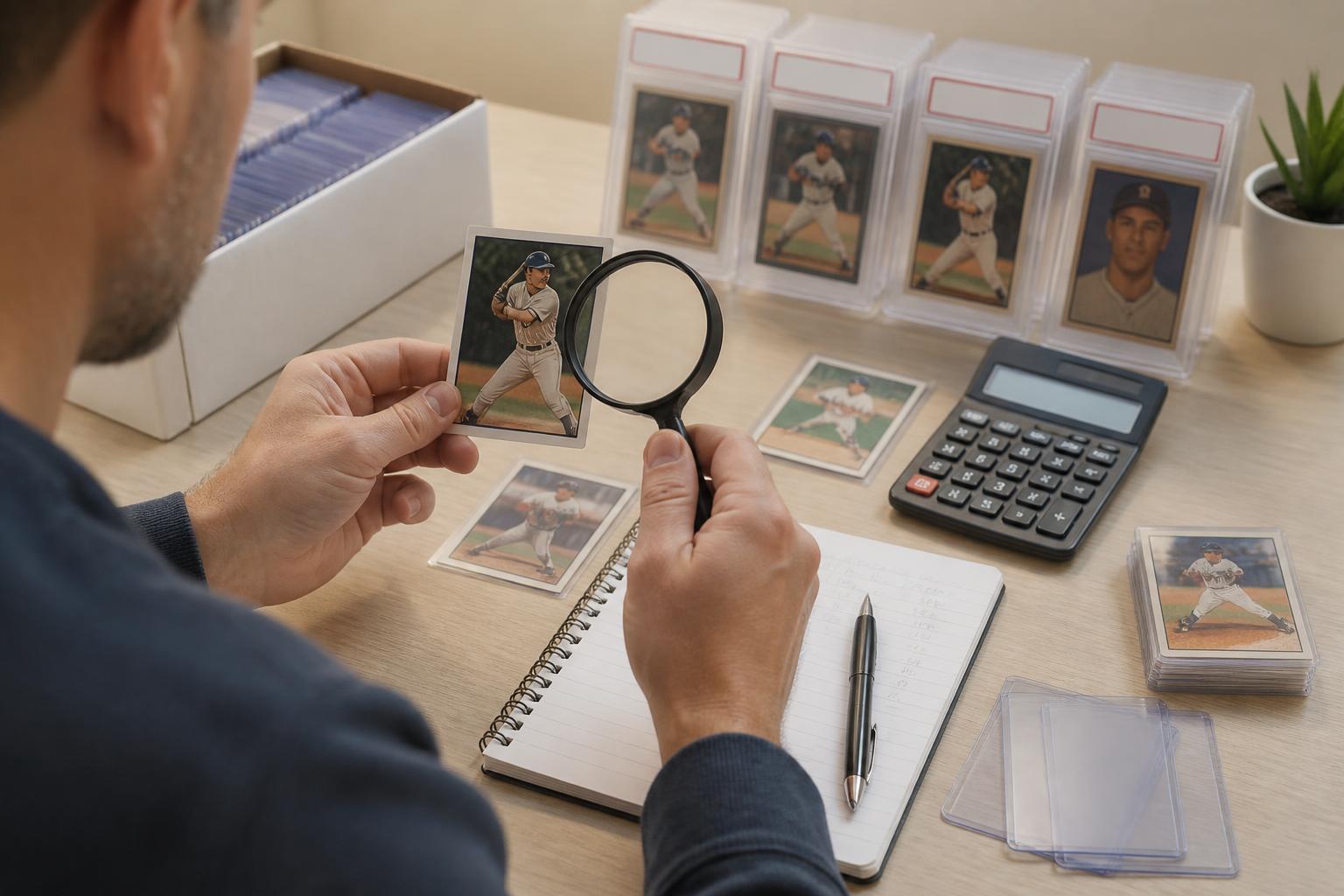
If you want to know Sammy Sosa baseball card value, start with the exact card, its condition, and whether it has been graded. The same player can have a card worth only a few dollars or much more depending on the year, set, and centering.
For most collectors, the fastest way to estimate sammy sosa baseball card worth is to identify the card, compare recent sales, and check whether a PSA, SGC, or other grade changes the market. If you are unsure, use a card scanner such as ScoutCard to help narrow down the set and search more efficiently.
Check current eBay listings for key Sammy Sosa cards
We may earn a commission from eBay purchases made through these links (eBay Partner Network).
What drives Sammy Sosa card prices
Sammy Sosa card value is influenced by the same basic factors that move most baseball card prices. The biggest difference is whether the card is a common issue, a rookie card, or a chase insert that collectors still look for.
- Card year and set: Early 1990s cards are usually less expensive than scarcer inserts or premium issues.
- Rookie status: A true sammy sosa rookie card value depends on confirming the card is actually considered a rookie by collectors.
- Condition: Corners, edges, centering, and surface wear can change value a lot.
- Grading: Professional grading can raise value if the card is clean enough to earn a strong grade.
- Scarcity: Short prints, parallels, or serial-numbered cards usually bring more than base cards.
- Player demand: Sosa remains a recognizable name, so key cards can still attract steady collector interest.
Common Sammy Sosa card types to check
Collectors often search for a few different card types when they look up sammy sosa baseball card value. Not every card is a high-dollar card, but some are more desirable than others.
| Card type | What to look for | Value impact |
|---|---|---|
| Base cards | Common issue, mass-produced, often from early 1990s sets | Usually lower unless graded very high |
| Rookie cards | First-year cards or cards collectors widely treat as rookies | Often more desirable than later years |
| Insert cards | Special parallels, foil, die-cut, or limited-run cards | Can be higher if scarce and in demand |
| Autographs | Signed cards, preferably authenticated | Usually stronger than unsigned versions |
| Graded cards | PSA, SGC, CGC, or similar slabbed cards | Grade quality can significantly affect price |
How to estimate rookie card value correctly
When people search for sammy sosa rookie card worth or sammy sosa rookie card price, they often mean the card that has the strongest collector recognition. That may not be the first card with his name on it, so it helps to verify the exact issue before comparing prices.
Use this quick check:
- Identify the full card details: year, manufacturer, set name, card number, and any parallel markings.
- Confirm the rookie status: compare against trusted checklists or collector references.
- Inspect the condition: look for soft corners, print dots, scratches, staining, or off-centering.
- Look up recent sold comps: focus on completed sales, not asking prices.
- Compare raw vs. graded: a raw card in excellent shape may be worth grading, but only if the card is strong enough.
If your card is a common base issue, the sammy sosa baseball card worth may be modest. If it is a scarcer insert, autographed card, or a high-grade rookie, the value can move up meaningfully.
Condition and grading matter more than most people think
For baseball cards from the 1990s, condition is often the difference between a card that is easy to sell and one that sits in a box. Cards from that era are frequently affected by centering issues, surface wear, and imperfect corners, even when they look fine at first glance.
Here is a simple way to think about it:
- Raw near-mint cards: may still have visible edge wear or off-centering.
- Excellent cards: can look nice in a binder but may not support premium pricing.
- Graded mid-range examples: often sell based on the grade rather than the player name alone.
- High-grade examples: usually matter most for widely collected rookie cards and key inserts.
If you already collect graded cards, the PSA scale is a useful reference point. This overview on PSA Card Values explains how grade levels can change what buyers are willing to pay.
Tip: If two Sammy Sosa cards look similar, the better-centered card with cleaner corners is usually the one that gets the stronger response from buyers.
Practical checklist before you sell
Before listing a card or accepting an offer, use this checklist to avoid underpricing or misidentifying the card:
- Match the exact year and set name.
- Check for rookie, insert, parallel, or autograph status.
- Inspect both front and back under bright light.
- Compare sold listings from the last few months.
- Note whether the card is raw or graded.
- Compare your card to similar sales in the same condition.
- Watch for trimmed edges, reprints, or altered cards.
If you collect other legends too, it can help to compare pricing patterns across eras. For example, our guides to Rickey Henderson Baseball Card Values by Condition and Set and Johnny Bench Baseball Card Value show how condition and set type shape prices in different markets.
Where to compare value without guessing
To get a real-world estimate of sammy sosa card value, use recent sold data from marketplaces and grading company population reports when relevant. The goal is to compare your card to cards that are actually similar, not just the same player.
A good comparison should match:
- same year and set
- same card number
- same grade or similar raw condition
- same autograph or insert status, if applicable
If you are scanning cards from a stack or trying to identify a possible rookie quickly, ScoutCard can help speed up the identification step before you look up sold listings.
How Sammy Sosa compares to other baseball card searches
Not every player card follows the same value pattern. Some Hall of Famers and ultra-rare vintage cards are driven by scarcity alone, while modern-era stars often depend more on condition and grading. If you want to compare how different pricing drivers work, take a look at the Honus Wagner Baseball Card Value: What Drives the Price and How to Check It guide for a very different example of the market.
That comparison can help set realistic expectations: a card’s value usually comes from the combination of collectability, condition, and scarcity, not just the player name.
FAQ
What is Sammy Sosa baseball card value based on?
It is mainly based on the exact card, whether it is a rookie or insert, the condition, and any grading. Recent sold listings are the best practical starting point.
How do I know if I have a Sammy Sosa rookie card?
Check the year, set, and card number, then compare it with a trusted checklist. Some cards are commonly treated as rookie cards by collectors even if more than one early-year issue exists.
Is a graded Sammy Sosa card worth more?
Often yes, but only if the card grades well. A low grade may not add much after grading fees, so compare raw value to graded sales before sending it in.
What affects Sammy Sosa rookie card worth the most?
Condition and exact issue matter most. After that, demand for the card type, scarcity, and whether it is authenticated or graded can change the price.
Final take
The quickest way to estimate sammy sosa baseball card value is to confirm the exact card, compare recent sold prices, and judge condition honestly. If your card is a true rookie, a scarce insert, or a strong graded copy, it may be worth more than a common base card in similar shape.
When you are ready to look up cards faster, try the ScoutCard scanner and pair it with recent sale comparisons before you buy, sell, or grade.
Try the ScoutCard app
Use the app when you want a faster, more organized starting point before comparing details manually.