Sports Card Value Guide
Most Expensive Rookie Card Value: How to Check What It Is Worth
Learn how to check the most expensive rookie card value using sport, condition, grading, print run, and market comps. Compare cards and use ScoutCard to look up values fast.
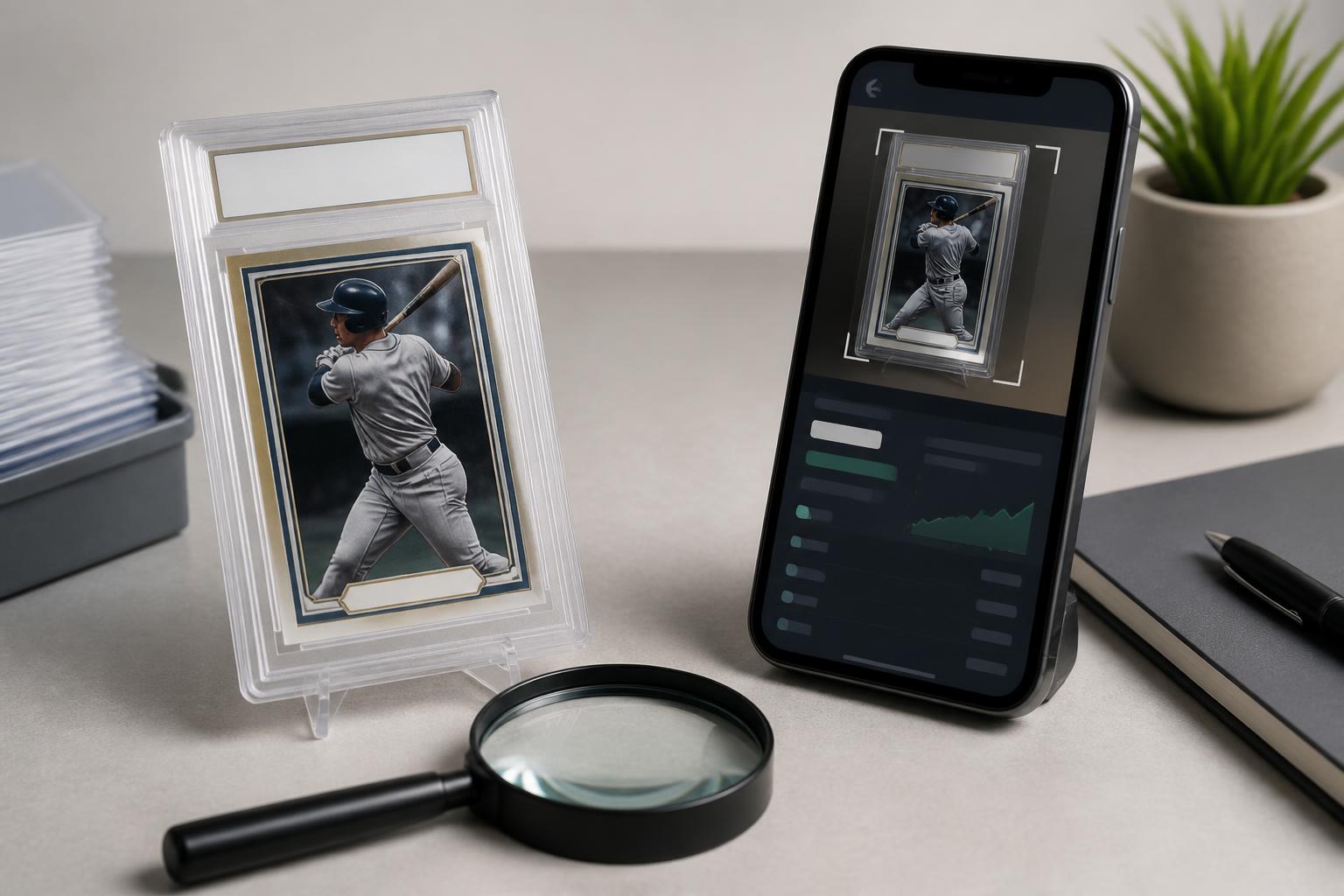
If you are trying to figure out the most expensive rookie card value, the first step is not guessing the biggest headline sale you have seen online. It is checking the card’s exact player, sport, year, brand, grade, and recent market history. Rookie cards can vary a lot in value even when they look similar at first glance.
That matters because the most expensive rookie card is not always the same card from month to month. Market demand changes, grading changes the price, and even a small difference in parallel, variation, or condition can move the value a lot. In this guide, we will break down how to check rookie card value the right way and what factors matter most for basketball, football, and baseball cards.
What makes a rookie card valuable?
Rookie card value usually comes down to a few core factors. The biggest one is demand: collectors care more about some players than others, and that has a direct effect on price. A key rookie from a major star can be far more valuable than a similar card from a decent but less collectible player.
Here are the main value drivers:
- Player popularity – Hall of Fame careers, championships, and record-setting seasons usually support stronger demand.
- Sport – Basketball rookies often draw strong premium attention, while football and baseball values depend heavily on player legacy and era.
- Year and product – Some rookie years have more iconic sets or fewer high-grade copies.
- Condition – Surface, centering, corners, and edges matter a lot.
- Grading company and grade – A PSA 10, BGS 9.5, or SGC 10 often sells for much more than raw cards.
- Scarcity – Limited print runs, serial numbering, and short prints can raise value.
If you are comparing cards across sports, it helps to look at broad guides first. For example, you can review Basketball Card Value Lookup: Check What Your Cards Are Worth or Football Card Price Guide: How To Check Real Values In 2026 to understand how pricing differs by category.
How to check the most expensive rookie card value
The safest way to check value is to identify the exact card and compare it against real sales, not asking prices. A listing can sit online at one number while completed sales show a very different result.
- Identify the card correctly. Confirm player name, year, set, and any parallel or variation.
- Check the card’s condition. Raw cards should be inspected for centering, corners, edges, and surface issues.
- Look for recent sold comps. Find sold listings for the same card and grade, not just similar cards.
- Separate raw and graded value. A raw rookie may be worth much less than a graded high-grade copy.
- Compare across marketplaces. Look at several recent sales to avoid relying on one outlier.
If the card is in a stack or collection and you need a quick first pass, a scanner can help narrow down the card and point you toward the correct lookup path. The ScoutCard scanner is a practical way to speed up identification before you compare comps and grading details.
Why sport matters when pricing rookie cards
Different sports have different collecting patterns. That is why the most expensive rookie card value in basketball can look very different from football or baseball, even when the player is equally famous.
| Sport | What usually drives value | Common pricing pattern |
|---|---|---|
| Basketball | Superstar demand, Hall of Fame status, iconic rookie years | Top rookies can reach very high prices in gem grades |
| Football | Quarterback demand, legacy, championships, short prints | Premiums often focus on elite QBs and low-pop graded cards |
| Baseball | Legend status, historical importance, vintage recognition | Older rookie cards and key Hall of Famers can command strong values |
For football collectors, it can help to look at player-specific guides such as Dan Marino Card Value: How to Check What It Is Worth, Warren Moon Card Value: How to Check What It Is Worth, and Peyton Manning Card Value: How to Check What It Is Worth. These kinds of pages show how player reputation and card condition shape value in the real market.
For baseball, you can use similar player-focused comparisons such as Ruben Sierra Baseball Card Value: How to Check What It Is Worth or Paul Molitor Baseball Card Value: How to Check What It Is Worth to see how different careers influence pricing.
Condition and grading can change rookie card value fast
Condition is one of the biggest pricing variables. Two copies of the same rookie card can sell for very different amounts if one is heavily worn and the other is centered well with sharp corners. Grading adds another layer because collectors often pay for third-party authentication and quality control.
When checking a rookie card, focus on these areas:
- Centering: Off-center cards usually lose value, especially in top grades.
- Corners: Soft, rounded, or damaged corners lower the price.
- Edges: Chipping or whitening can be a major issue.
- Surface: Scratches, print lines, and stains matter.
- Autograph or memorabilia features: If applicable, verify authenticity and condition separately.
A high-grade slabbed card can outperform a raw copy by a wide margin, but not every card benefits equally from grading. Some cards are so condition-sensitive that even small flaws make a big difference. Before submitting a card, compare the likely grade premium against grading fees and turnaround time.
How to compare comps without overpaying
When people search for the most expensive rookie card value, they often find one major sale and assume that is the true market price. That can be misleading. You want a range built from multiple sold comps.
Use this simple process:
- Find the exact card version, not just the player name.
- Filter for sold listings within the last 30 to 90 days if possible.
- Match the grade exactly when comparing slabbed cards.
- Ignore unusually high sales unless several similar sales support them.
- Watch for differences in parallel, serial number, autograph, or patch content.
Tip: A rookie card’s value is usually strongest when the card, grade, and sale type all match. A PSA 10 sale does not tell you much about a raw copy, and a parallel sale does not price the base version correctly.
Common rookie card questions people ask
Collectors often ask whether the most expensive michael jordan rookie card or the most expensive shaq rookie card is the same across all versions. The answer is no. The exact price depends on the year, brand, condition, grading, and whether the card is a base rookie, insert, parallel, or autograph.
For example, a big-name rookie in top grade may get most of the attention, but lower grades or less common versions can have very different prices. That is why it is important to identify the card precisely before you compare it to any public sale.
Step-by-step checklist before you list or buy
- Confirm the player, sport, year, and set.
- Check whether the card is a true rookie, parallel, insert, or variation.
- Inspect the card for visible wear.
- Look up recent sold comps, not just active listings.
- Compare raw and graded value separately.
- Review whether grading would realistically add value.
- Price the card based on matching sales, not the highest outlier.
If you want a broader starting point for any card in your collection, the Sports Card Value Lookup: How To Check What Any Card Is Worth page can help you move from identification to pricing with less guesswork.
FAQ
What is the most expensive rookie card value based on?
It is based on the market price collectors are actually paying for the same card, grade, and version. Player demand, condition, scarcity, and recent sold comps all matter.
Is the most expensive rookie card always the same card?
No. The top card can change with market demand and new sales. Different sports and eras also produce different high-value cards.
Should I grade my rookie card before selling?
Only if the card is likely to benefit from grading. Strong centering, clean surfaces, and sharp corners are usually the best signs. Compare expected graded value with grading costs first.
How do I check a card quickly?
Start by identifying the exact card and then compare sold comps. If you have a stack of cards, using the ScoutCard scanner app can help you narrow down the card faster before you research pricing.
Where can I learn more about card value guides?
You can browse other sport-specific guides on sportscardvalue.co, including football, basketball, and baseball pricing pages to compare how value changes by player and set.
Final take
Checking the most expensive rookie card value is really about matching the right card to the right market data. Once you confirm the exact rookie, check condition, separate raw from graded pricing, and review recent sold comps, the value becomes much easier to estimate.
If you want a faster first step, try the ScoutCard scanner on the App Store and then use the resulting identification to compare real sales and pricing guides. That keeps the process simple, practical, and closer to how collectors price cards in the real market.
Try the Sportscardvalue app
Use the app when you want a faster photo-based check before comparing details manually.