Sports Card Value Guide
Johnny Bench Baseball Card Value: What Drives the Price and How to Check Yours
Learn what affects Johnny Bench baseball card value, how condition and grading change prices, and the best way to check Johnny Bench rookie card value with a quick lookup tool.
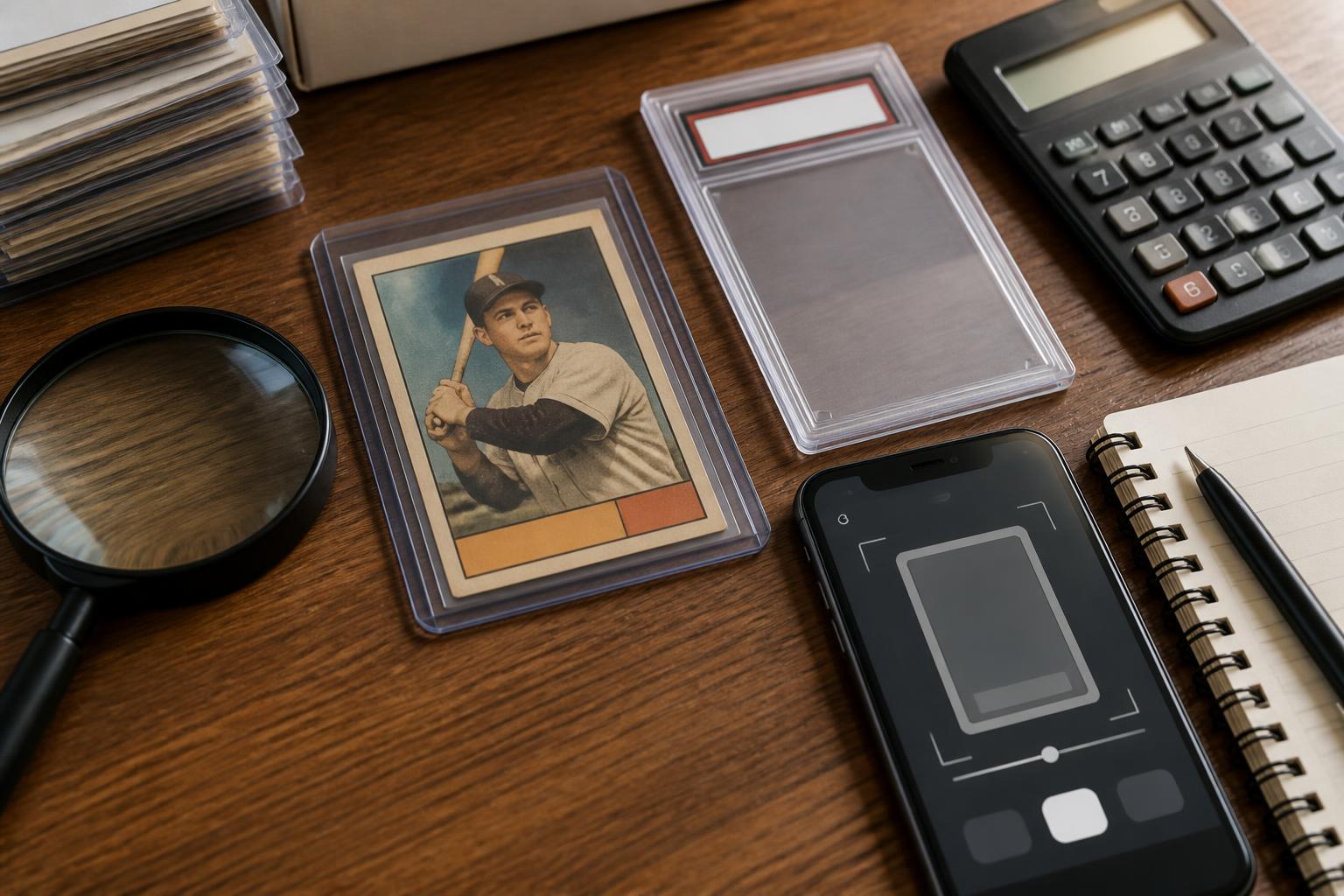
If you are trying to figure out Johnny Bench baseball card value, the good news is that there is a straightforward way to narrow it down. The exact number depends on the card year, set, condition, and whether it has been graded. For collectors, the biggest question is often not just the Johnny Bench card value in general, but the specific value of a rookie card or key early issue.
This guide breaks down the main factors that shape Johnny Bench rookie card value, how condition affects the Johnny Bench rookie card worth, and the fastest way to check a realistic market range before buying or selling.
Check current eBay listings for key Johnny Bench cards
We may earn a commission from eBay purchases made through these links (eBay Partner Network).
Why Johnny Bench cards are worth checking carefully
Johnny Bench is one of the most recognizable names in baseball card collecting, and that matters because demand can vary a lot by card type. Some Bench cards are common and affordable, while others are tougher to find in strong condition and can draw more interest from collectors.
When people search for Johnny Bench rookie card price, they usually mean the 1968 Topps rookie card, which is the key card in his run. But there are also many other Johnny Bench cards from different years and sets that can have their own market values.
- Rookie cards usually bring the most attention.
- High-grade examples can be much more valuable than worn copies.
- Centering, corners, and surface issues can change the price quickly.
- Graded cards often sell differently from raw cards.
Main factors that affect Johnny Bench baseball card value
The market for vintage baseball cards is driven by a few repeatable factors. If you know these, it becomes much easier to estimate what a card is worth.
| Factor | Why it matters | What to look for |
|---|---|---|
| Card year and set | Some issues are more collected than others | Rookie cards, star-year cards, and key vintage sets |
| Condition | Wear can reduce value significantly | Corners, edges, centering, print defects, stains, creases |
| Grading | Professional grades often create clearer pricing tiers | PSA, SGC, BGS, or ungraded/raw |
| Rarity in top condition | Older cards are harder to find clean | Sharp corners and strong eye appeal |
| Recent sales | Market value changes over time | Sold listings, not just asking prices |
1. Card year and set
The card year is the first thing to identify. A Bench rookie card is usually the headline item, but later cards can still have value if they are in strong condition or are part of a popular vintage set. Two cards with the same player can have very different prices simply because one is a rookie and the other is not.
2. Condition and eye appeal
Condition is one of the biggest drivers of Johnny Bench baseball card value. Vintage cards often show wear from handling, storage, or aging. Even small flaws can matter because collectors compare many copies when shopping for a clean example.
Common condition issues include:
- Soft or rounded corners
- Chipping along the edges
- Off-centering
- Surface scratches or print snow
- Creases, bends, or wrinkles
- Staining, wax marks, or discoloration
3. Grading
Professional grading can make a major difference for vintage cards. A raw card in nice shape may still sell for less than a slabbed card with a strong grade because buyers trust the grade and can compare it more easily to other sales.
That does not mean every card should be graded. Lower-condition cards may not justify the cost, while cards with obvious flaws usually trade in a lower range. If you are unsure, compare your card against recent graded and raw sales before deciding.
Johnny Bench rookie card value: what collectors usually compare
When people ask about Johnny Bench rookie card worth, they are usually comparing the same basic card in different conditions or grades. The rookie card is the most searched Bench card because it is the key issue in his collecting market.
Before you estimate value, confirm these details:
- The exact card year and set
- Whether the card is raw or graded
- The grading company and grade, if applicable
- Visible condition issues in the corners, centering, and surface
- Whether the card is authentic and not altered
If you want a broader framework for how vintage baseball card pricing works, our Baseball Card Value Lookup guide explains the same core process for baseball cards across eras.
How to check Johnny Bench card value step by step
- Identify the card exactly. Confirm the year, brand, card number, and whether it is the rookie card or a later issue.
- Check the condition. Look closely at corners, edges, centering, print quality, and any bends or stains.
- Note grading details. If the card is slabbed, record the company and grade on the label.
- Compare sold results. Use recent completed sales rather than active listings.
- Adjust for your card’s quality. A strong raw example may approach lower graded prices, while a worn copy should be priced lower.
A fast way to start is with a scanner-based lookup on your phone. The ScoutCard app can help you identify and review card pricing more quickly: download ScoutCard on the App Store.
Typical price drivers by card type
Not every Johnny Bench card behaves the same way in the market. Use the table below as a practical checklist rather than a fixed price list.
| Card type | Market behavior | Pricing approach |
|---|---|---|
| Johnny Bench rookie card | Most collector interest, widest spread by grade | Compare recent sales for raw and graded copies |
| Vintage base card from later years | Usually more affordable, but condition still matters | Look at sold listings in similar condition |
| High-grade slabbed card | Can move sharply with grade changes | Match the exact grade and grader |
| Low-grade raw card | Buyer pool is broader, but price depends on visible wear | Use raw comps with similar flaws |
How Johnny Bench compares with other vintage star cards
If you collect vintage Hall of Fame players, Johnny Bench fits into the same pricing style as many other late-1960s and 1970s stars: set, grade, and eye appeal matter more than hype. For a similar example of how a Hall of Fame catcher or athlete’s market changes by card condition, you can also look at Barry Larkin Baseball Card Value: How to Check What It Is Worth for a comparable baseball pricing breakdown.
For a broader vintage card perspective, the most expensive rookies tend to rise because of grade scarcity and collector demand, not just the player name alone. If you want to see how that works across sports, the Most Expensive Rookie Card Value article is a useful reference point.
Common mistakes when pricing a Johnny Bench card
- Using active listings instead of sold prices
- Assuming all rookie cards are the same value
- Ignoring centering and surface wear
- Overpricing a raw card based on one high sale of a graded copy
- Forgetting that restoration or alteration can reduce value
Another common mistake is comparing a vintage Bench card to modern cards without adjusting for grade spread and scarcity. Vintage cards often have a much wider value range because quality differences are more visible.
FAQ
What is the main factor in Johnny Bench baseball card value?
Condition is usually the biggest factor, followed by the exact card year, whether it is a rookie card, and whether it has been professionally graded.
Is Johnny Bench rookie card value higher than later cards?
Usually yes. The rookie card is typically the most collected Johnny Bench issue, so it often carries the strongest demand and widest price spread by grade.
How can I estimate Johnny Bench rookie card price for a raw card?
Compare your card to recent raw sales with similar wear, centering, and surface quality. Then discount it from higher-grade examples if it shows visible flaws.
Does grading always increase Johnny Bench rookie card worth?
Not always. Grading can help clarify value, but the final result depends on the grade received, the card’s condition, and whether the grading cost makes sense for the card.
What is the fastest way to check Johnny Bench card value?
Identify the card, assess condition, and compare recent sold results. If you want a quick mobile option, try ScoutCard on the App Store and scan the card to speed up the lookup process.
Final take
To estimate Johnny Bench baseball card value accurately, start with the exact card, then compare condition, grading, and recent sold prices. For the key rookie card, small differences in centering or surface quality can make a meaningful difference in the final number.
If you are sorting through a few vintage cards, a scanner-based lookup can save time and help you build a more accurate price range. You can use ScoutCard on the App Store to check cards faster and compare them with the current market.
Try the Sportscardvalue app
Use the app when you want a faster photo-based check before comparing details manually.